
Evidence-led guides to Japanese language, names, culture, travel, food, anime, the Chinese zodiac and Japanese eras.
n

Japanese Home
A Table With a Heater and a Blanket
A kotatsu combines a low table, an electric heater and a heavy quilt to create a small pocket of warmth. Here is how it works, why it suited drafty Japanese homes and what actually happens when you are invited to sit under one.
Japanese Eras
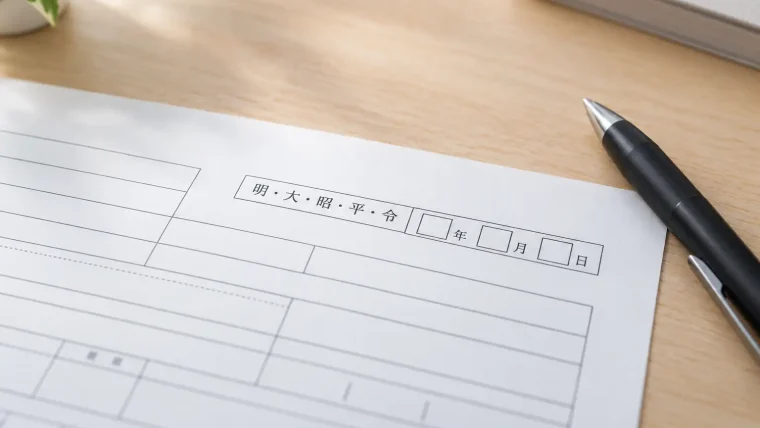
Which Year to Write on a Japanese Form
A Japanese date field may ask for a Western year, an era name, or one circled character followed by a number. This practical protocol explains which system to use, why the two systems must never be combined, and how to approach an old form with no Reiwa option.
Japanese Culture
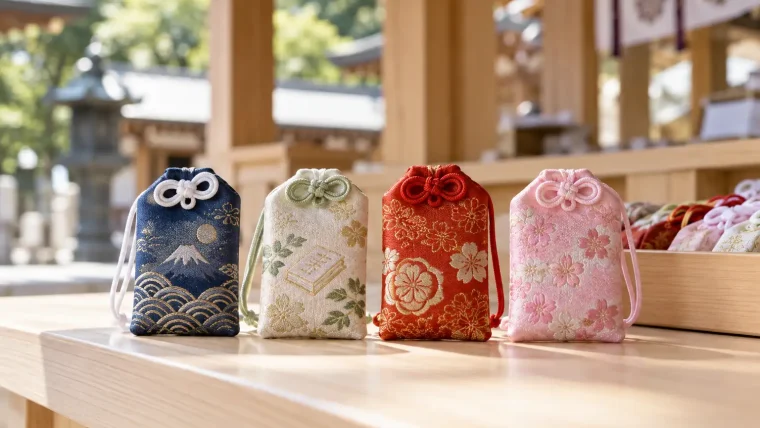
The Charm You Are Not Supposed to Open
Omamori are protective amulets issued by Japanese shrines and temples for travel, health, exams, relationships and other specific concerns. Here is what the inscriptions mean, what current examples cost, why the pouch stays closed and how to return an old charm respectfully.
Your Name in Japanese
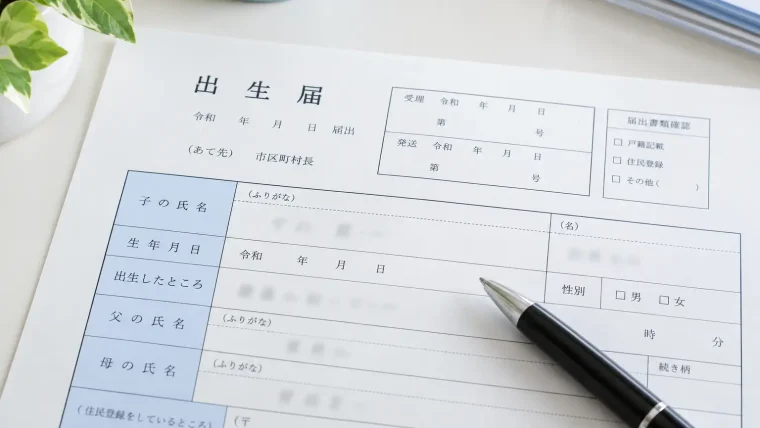
Why Japan Started Refusing Some Baby Names
Japan did not ban creative baby names. It changed what parents must prove. Since May 26, 2025, a newborn’s registered pronunciation must have a recognizable connection to the kanji chosen for the name.
Japanese Culture
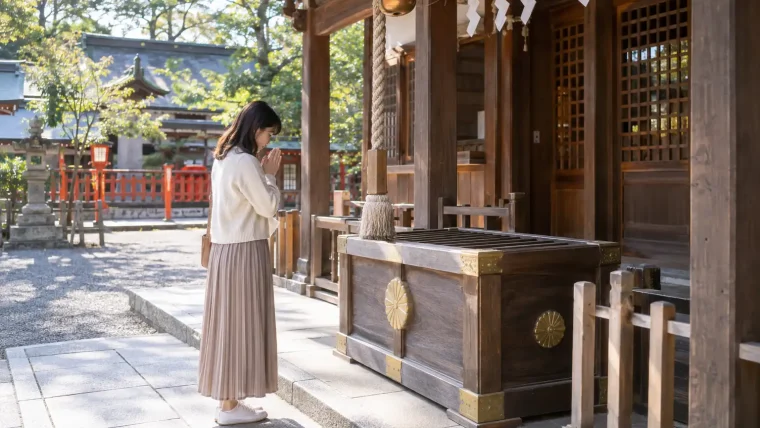
Two Bows, Two Claps, One Bow: The Sequence
Learn how to pray at a Shinto shrine in Japan in the correct order, from the torii and water basin to the offering, two bows, two claps, and final bow.

Anime & Manga
The Format That Feeds Half the Anime Season
Light novels are an industry, not simply short books with anime art. Learn how Japanese imprints, illustrations, contests, translations, manga, and anime adaptations fit together.
Japanese Food
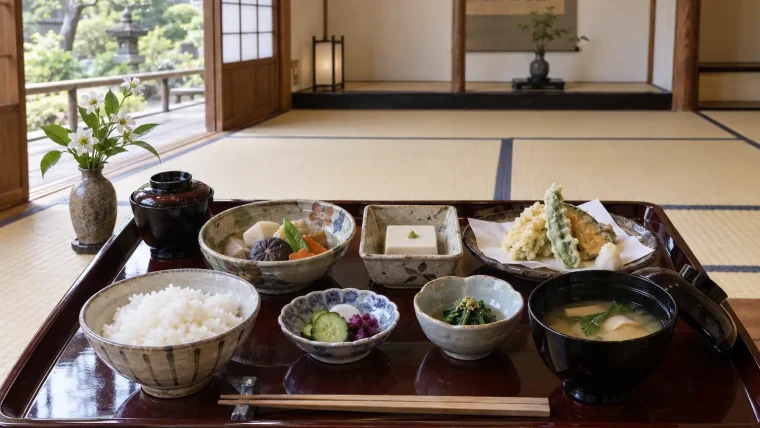
The Only Reliably Vegan Meal in Japan
Shojin ryori is more than Japanese vegan food. Learn what temple cuisine excludes, how its courses work, where to eat it, and what a Koyasan stay with dinner costs.
Japanese Culture
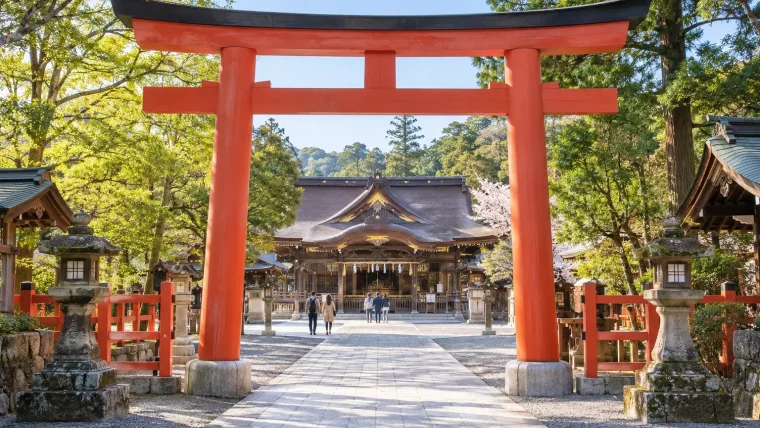
Jinja vs Otera: The Five-Second Test
Torii gates and komainu point toward Shinto; sanmon gates, incense burners, Buddhist images, and cemeteries point toward a temple. Here is a fast test that still works when the two traditions share one site.
Writing & Language
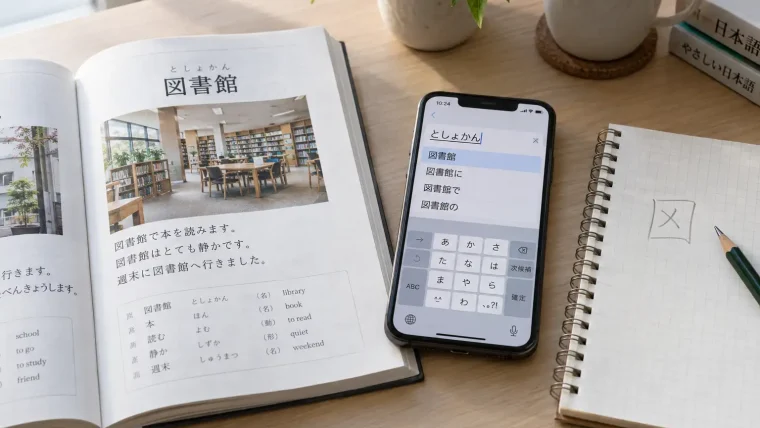
Reading and Writing Are Two Different Skills
Japanese adults sometimes forget how to handwrite characters they still read and type every day. That gap reveals a practical lesson for learners: recognition and handwritten recall are separate skills.
Japanese Phrases
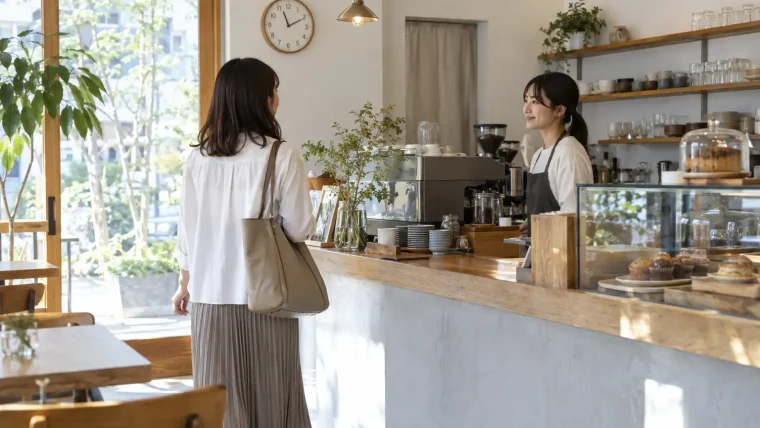
Ohayou, Konnichiwa, Konbanwa: the Clock Decides
Konnichiwa is not an all-purpose Japanese hello. The right greeting depends on daylight, your relationship, the setting, and whether a work shift is just beginning.
Japanese Culture
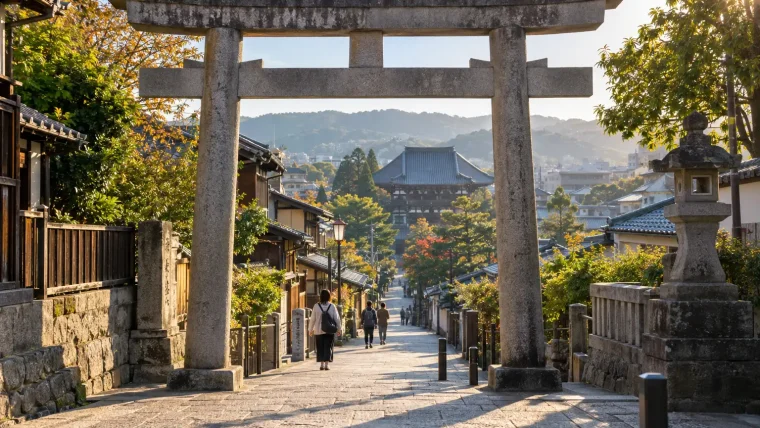
How Shinto and Buddhism Actually Show Up
Shinto and Buddhism often appear in Japan as calendar customs rather than declarations of faith. Here is how shrines, temples, New Year visits, funerals, charms, and everyday rituals fit together.
Travel to Japan
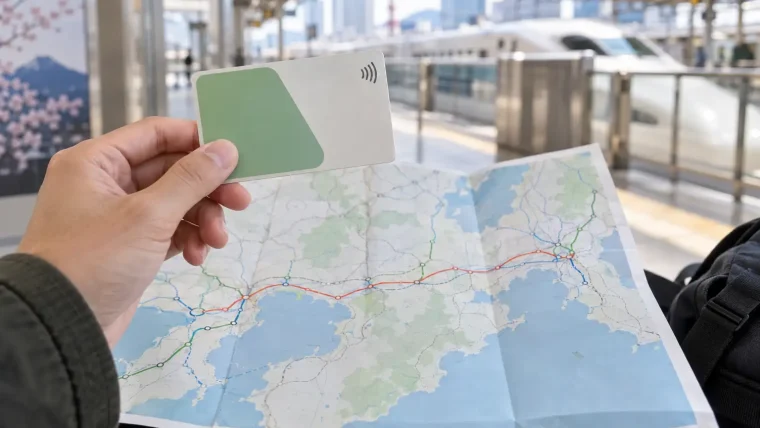
One Card Works Nationwide, With Three Exceptions
The ten major IC cards are interchangeable across the country, so the real choice is where you buy one. Deposits, refunds and the Welcome Suica catch.