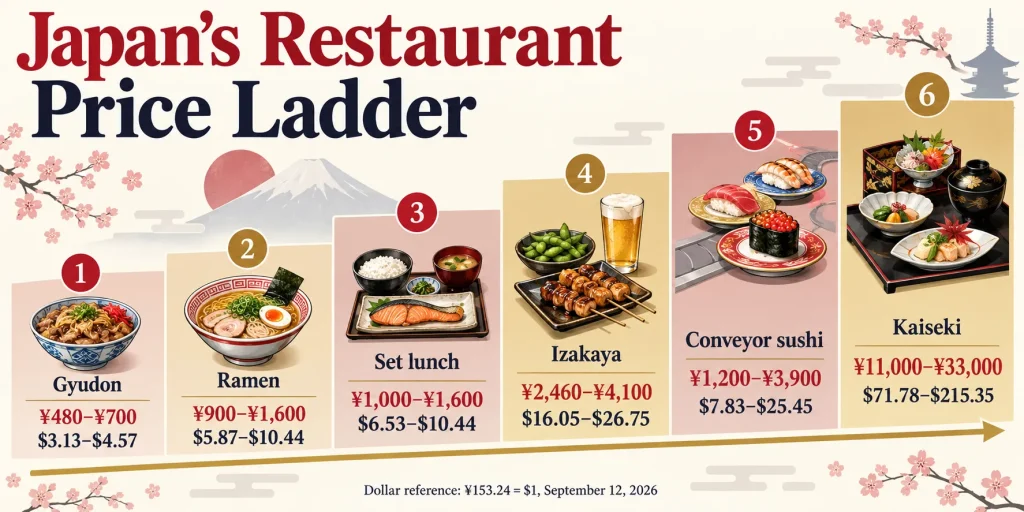
Restaurant spending in Japan follows a daily ladder: a fast bowl before work, ramen or a set meal at lunch, shared dishes in the evening, and reservation-only dining at the top. If you are asking how much does food cost in Japan, the honest answer begins around ¥480 ($3.13) for a standard chain beef bowl and can pass ¥33,000 ($215.35) for a formal seasonal course. Those dollar conversions use ¥153.24 to $1, the cash-buying rate published by Sumitomo Mitsui Banking Corporation on September 12, 2026. They are reference figures, not rates a card issuer or currency counter promises to provide. Prices also vary by branch, city, portion, drink order, season, and whether a service charge is added.
Early morning: the ¥480 starting point
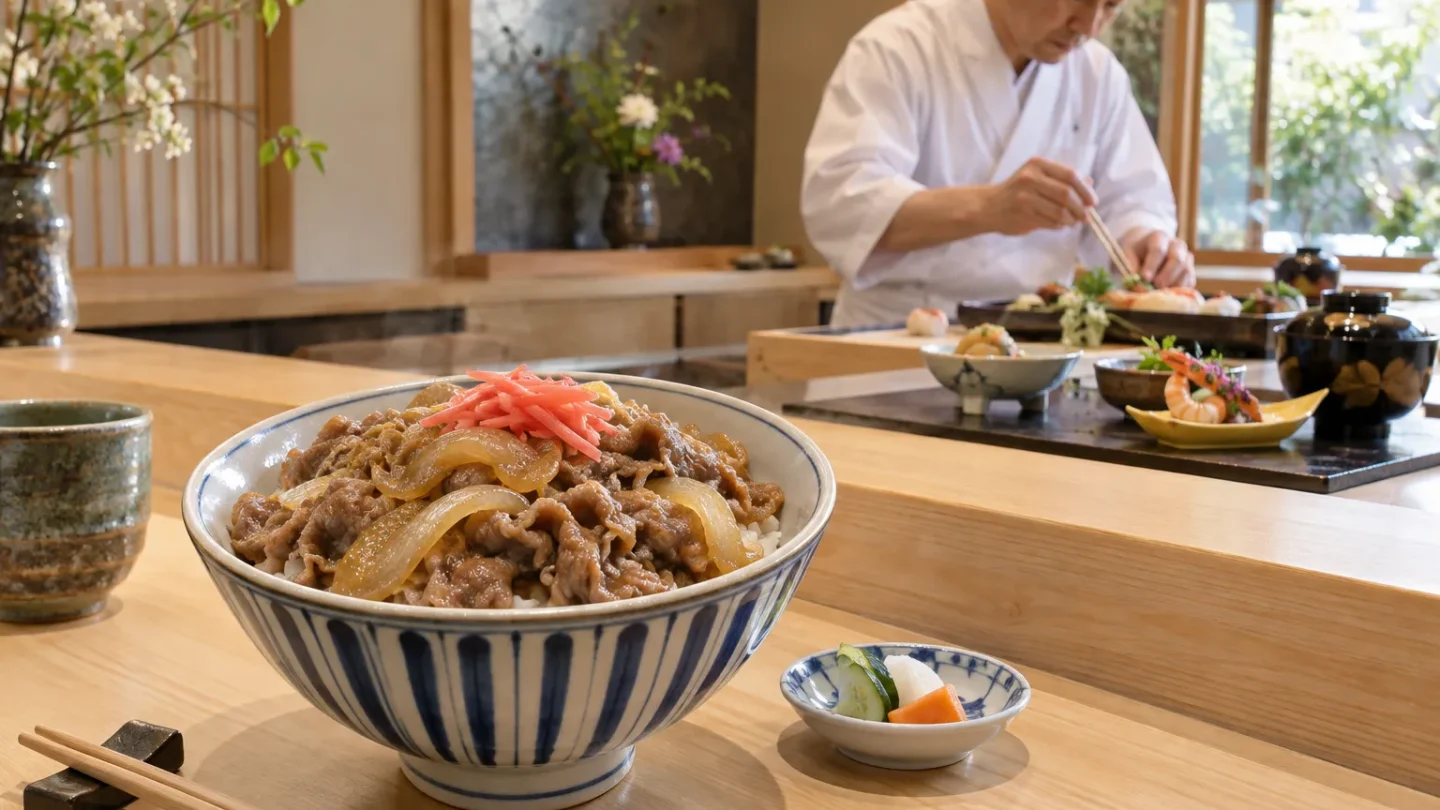
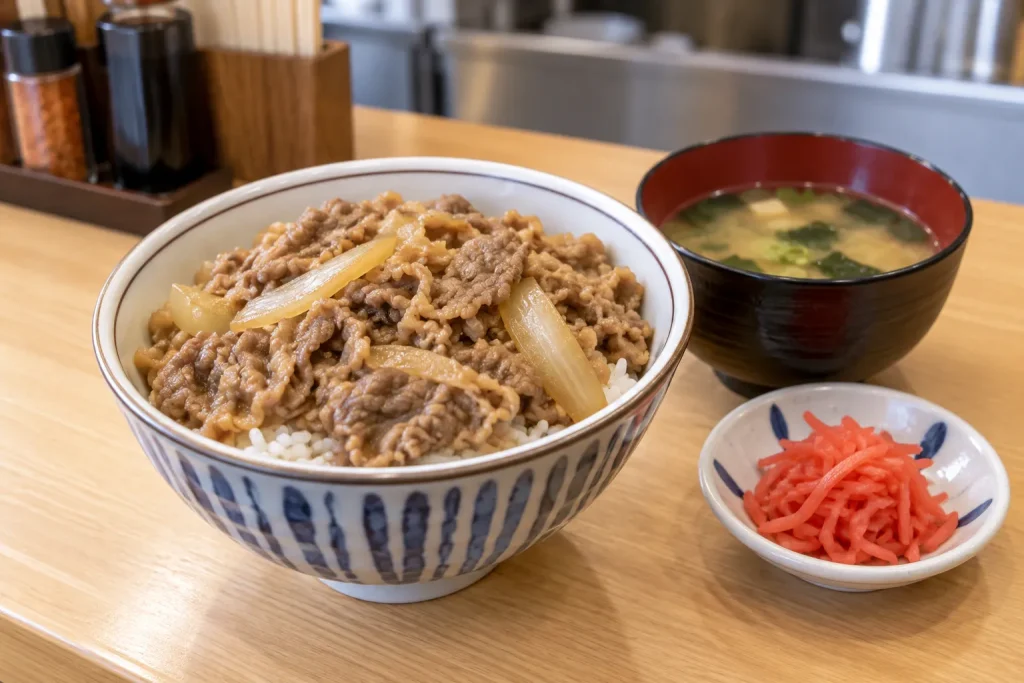
At the bottom of the current restaurant ladder is 牛丼, gyūdon, literally “beef bowl”: rice covered with thinly sliced simmered beef and onions. Sukiya raised its regular bowl from ¥450 to ¥480 on July 8, 2026, according to the chain’s official price notice. That makes the basic bowl approximately $3.13 at the reference exchange rate used here. Larger portions, cheese, kimchi, eggs, soup, and salad move the check above the headline price. The uncomfortable detail is that the cheapest number on the menu often describes only the bowl, not the combination pictured beside it.
A visitor may still see prices below ¥500 at major beef-bowl chains, but the old idea that a complete sit-down meal routinely costs a few hundred yen is becoming dated. Yoshinoya listed its regular beef bowl at ¥498 in early 2026, while Matsuya’s comparable bowl was reported at ¥460 during the same period. Because branches and menu revisions differ, these figures should be checked again immediately before publication. You will also find breakfast sets, curry, and pork dishes priced differently from the basic bowl. Before entering an unfamiliar restaurant, Ordering, Paying and the Rules Nobody States explains when you order at a counter, when you pay, and why the cheapest displayed item may not represent your final check.
| Price tier | Typical format | Observed price in yen | Approximate dollars |
|---|---|---|---|
| 1 | Regular chain gyudon | ¥480–¥700 | $3.13–$4.57 |
| 2 | Basic ramen or noodle meal | ¥900–¥1,600 | $5.87–$10.44 |
| 3 | Teishoku or set lunch | ¥1,000–¥1,600 | $6.53–$10.44 |
| 4 | Izakaya order assembled from shared dishes | ¥2,460–¥4,100 | $16.05–$26.75 |
| 5 | Conveyor-belt sushi basket | ¥1,200–¥3,900 | $7.83–$25.45 |
| 6 | Counter dining or kaiseki course | ¥11,000–¥33,000 | $71.78–$215.35 |
The table is a ladder built from menus checked on September 12, 2026, rather than a national average. The izakaya figures represent six to ten ¥410 items at Torikizoku after its announced October 2026 revision, not a guaranteed bill for every guest. The sushi figures show ten plates priced from ¥120 to ¥390 at Sushiro-style branch pricing. Drinks, appetizers, premium ingredients, and additional orders are outside those examples. At the upper end, official Kyoto restaurant menus provide the observed course prices.
Late morning: ramen crosses the four-digit line
A basic bowl of ラーメン, rāmen, literally the Japanese name for the Chinese-derived noodle dish, now commonly occupies the next rung. An observed range of ¥900 to ¥1,600 ($5.87 to $10.44) covers a plain bowl at an everyday shop through a specialty bowl with extra pork, egg, or regional ingredients. It is not a statutory or nationwide range, and small independent shops can sit below or above it. Tourist districts and famous chains are not reliable measures of what neighborhood ramen costs. A bowl promoted online may also exclude the toppings shown in the photograph.
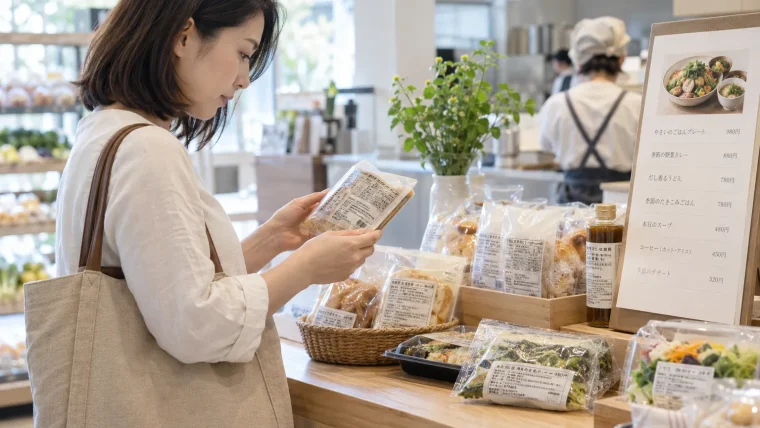
Many ramen shops use a 券売機, kenbaiki, literally “ticket vending machine,” near the entrance. You select and pay for the dish before taking a seat, so indecision happens in front of the machine rather than at the table. Paying Before You Sit Down covers that process, including what to do when the labels are only in Japanese. The machine may separate the base bowl, noodle refill, egg, seaweed, and meat into different buttons. Your final total therefore depends on what you add, even when the storefront advertises one attractive base price.
A simple bowl can be filling, but “ramen plus everything” is a different price tier from ramen alone. チャーシュー, chāshū, “roasted or braised pork,” an egg, extra noodles, and a side of dumplings can turn a modest order into a larger lunch. Water is commonly provided without a separate beverage order, although practices vary. Taxes are generally included in consumer-facing Japanese menu prices when the displayed amount is marked 税込, zeikomi, “tax included.” Confirm the current price on the machine or printed menu because restaurants can revise it without following an annual calendar.
Noon: the set lunch in the middle
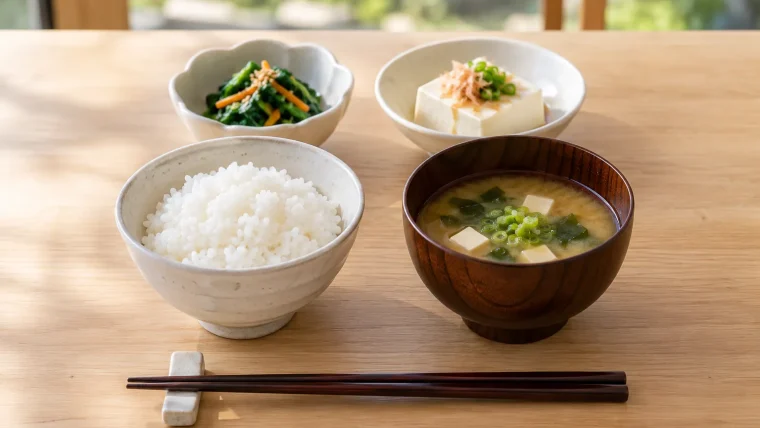
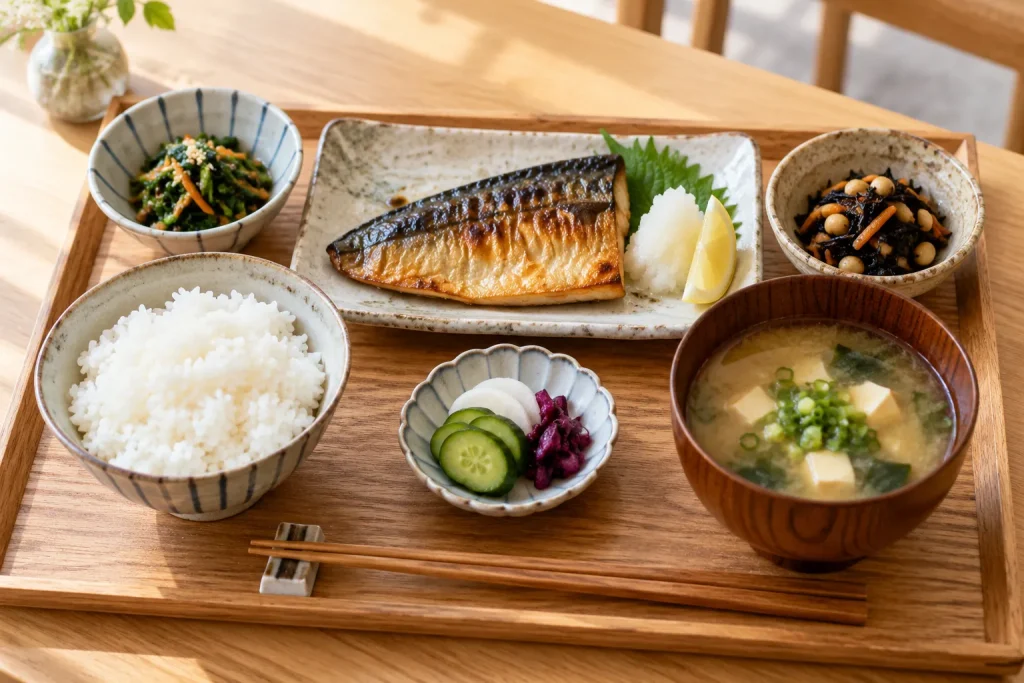
The practical middle of the ladder is 定食, teishoku, literally “fixed meal” or “set meal.” It usually combines a main dish with rice, soup, and one or more small sides, although the exact composition belongs to the restaurant. The observed range used here is ¥1,000 to ¥1,600 ($6.53 to $10.44). Ootoya’s April 2026 menu revision included set meals around ¥1,290, while stating that products and prices can differ by location. That qualification matters more than a neat nationwide average.
Lunch pricing can make a restaurant look cheaper than it is at dinner. Some restaurants offer a compact midday menu, then switch to individual dishes or courses later in the day. A visitor should look for ランチ, ranchi, “lunch,” and note any last-order time shown at the entrance. There is no universal hour at which lunch prices begin or end. Hotels, department stores, office districts, and independent restaurants publish their own service periods.
If dish names are the obstacle rather than price, Japanese Food for Beginners: How to Read a Menu explains menu structure and common food categories. For spoken requests, the phrasebook contains 337 phrases, including restaurant ordering and allergy communication, as verified on September 12, 2026. It is better to use the existing tool than to treat this price guide as another phrase list. Travelers with allergies should confirm ingredients directly with staff because a familiar dish name does not prove an identical recipe. Where the consequences of a misunderstanding are serious, written allergen information or assistance from a Japanese speaker is safer than relying on price labels or photographs.
Afternoon: sushi can occupy several tiers
寿司, sushi, refers to vinegared rice combined with seafood or other ingredients, not simply raw fish. That distinction is covered in Sushi vs Sashimi: The Difference Is the Rice, so it does not need to be rebuilt here. In price terms, sushi stretches from low-cost conveyor-belt plates to a chef-selected counter course. It is therefore misleading to give “the price of sushi” as one figure. The service format matters as much as the ingredient.
At a conveyor-belt chain, plates may begin at ¥120 and rise to ¥390 depending on the branch category and item, based on Sushiro menu information checked on September 12, 2026. Ten plates would therefore cost ¥1,200 to ¥3,900 ($7.83 to $25.45) before drinks, soup, dessert, or side dishes. That calculation illustrates how the plate system works; it does not claim that every diner orders ten plates. Premium tuna, sea urchin, eel, seasonal seafood, and special promotions may use higher price bands or different serving counts. Always read the price attached to the item rather than assuming plate color alone carries the same meaning in every chain.
Counter sushi is a different purchase. おまかせ, omakase, literally “I leave it to you,” usually means that the chef determines the sequence according to the restaurant’s course and available ingredients. A course can require advance booking and may exclude beverages. Some booking systems also publish cancellation conditions that apply once a reservation is confirmed. Check the restaurant’s own reservation page for the current course price, tax treatment, service charge, and cancellation terms.
Early evening: the izakaya total is assembled one order at a time
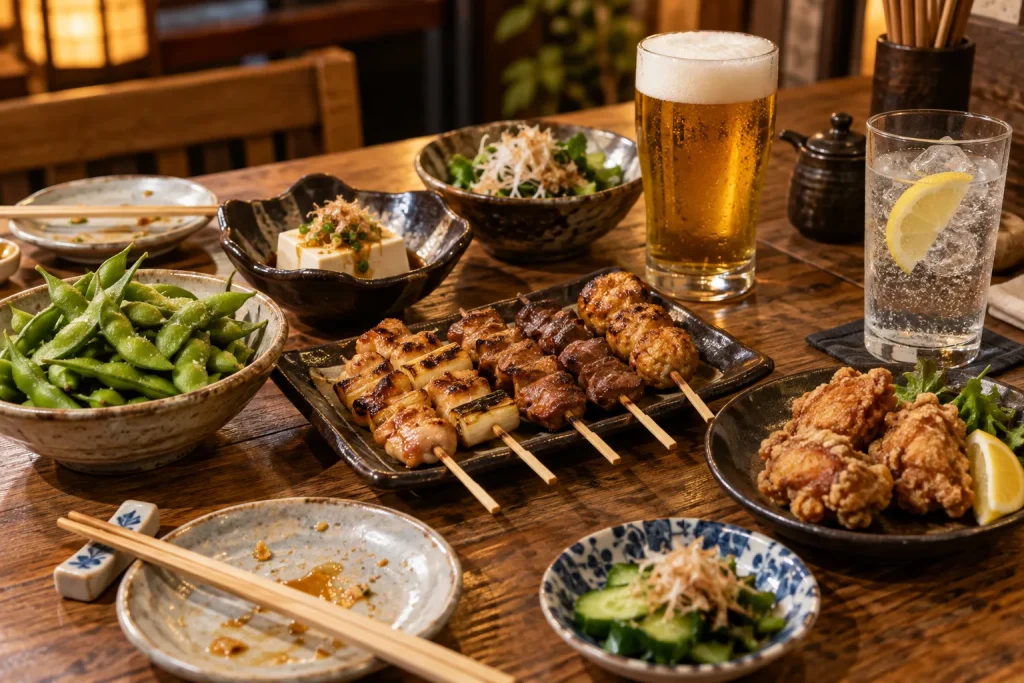
An 居酒屋, izakaya, literally “a place to stay and drink,” is not priced like a single-plate restaurant. Your check grows through drinks and small dishes ordered across the evening. Torikizoku announced that its uniform food and drink price would rise from ¥390 to ¥410 on October 1, 2026. Six ¥410 orders total ¥2,460 ($16.05), while ten total ¥4,100 ($26.75). Those are arithmetic examples from one chain’s announced price, not average spending figures for Japan.
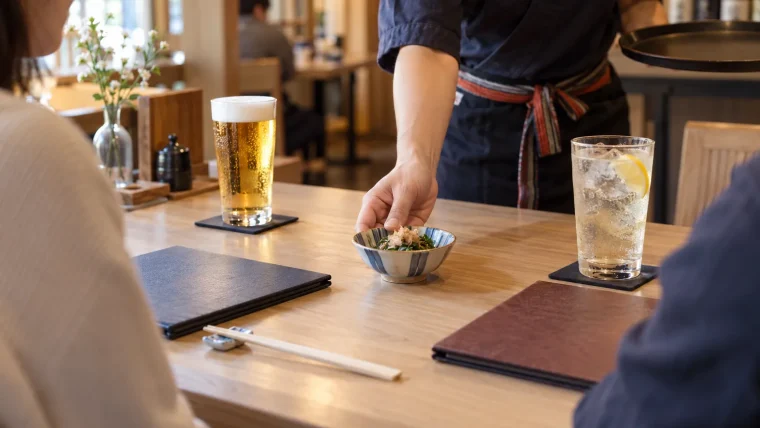
Independent izakaya may serve お通し, otōshi, a small opening dish placed at the table with a corresponding charge. You may not have verbally ordered it, and it is not always treated as a free appetizer. The Small Dish You Never Ordered and Must Pay For explains how the system works and where practice varies. The charge must be checked on the restaurant’s current menu because there is no single national otōshi price. This is one of the places where a traveler’s final total can exceed a quick count of ordered dishes.
Alcohol changes the ladder faster than food alone. A restaurant advertising inexpensive skewers may expect guests to order repeated drinks and shared plates. Conversely, a fixed-price chain can be easier to calculate because every standard item occupies the same band. Neither structure guarantees a lower final bill. It only changes how the bill accumulates.
Night: the counter restaurant is not “cheap Japan”
The upper rung begins with a course rather than a bowl. 懐石, kaiseki, refers here to a structured seasonal Japanese meal served in successive dishes. Kyoto restaurant Kinmata listed options around ¥11,000 and ¥22,000 when checked on September 12, 2026, equal to approximately $71.78 and $143.57 at the reference exchange rate. Kikunoi’s official menu listed lunch courses from ¥16,500 through ¥77,000, or approximately $107.67 through $502.48. These menus show why “food in Japan is cheap” fails as a general statement.
A formal course may include tax and service, or present those costs separately. The only reliable source is the restaurant’s own current booking or menu page. Drinks and pairings can sit outside the course price, while cancellation fees may depend on notice and party size. A counter also has limited seating, so reservation availability is a separate issue from the advertised price. No price in this article promises access, menu content, or a particular dining experience.
The useful comparison is not gyudon versus kaiseki as if one were the upgraded version of the other. They solve different needs and use different labor, ingredients, space, and service. Gyudon is designed around speed and repetition. Kaiseki or a chef-led counter course sells time, sequence, technique, and seasonal procurement. The ladder measures spending, not culinary worth.
What the rice crisis changed on menus
The 2024–2025 rice crisis did not produce one universal restaurant surcharge. It increased the cost pressure behind dishes built around cooked rice, while individual businesses responded differently. Japan’s Ministry of Agriculture, Forestry and Fisheries recorded supermarket rice prices above ¥4,000 for five kilograms during parts of 2025. For the week ending June 15, 2025, the ministry’s national supermarket series showed an average of ¥3,920 per five kilograms after a weekly decline. The same ministry series should be checked again before publication because it is updated regularly.
| Rice-market marker | Published figure | What it established |
|---|---|---|
| Supermarket rice, week ending June 8, 2025 | ¥4,176 per 5 kg | Price remained close to twice the year-earlier level |
| Supermarket rice, week ending June 15, 2025 | ¥3,920 per 5 kg | First move below ¥4,000 in several months |
| Government stockpiled rice target in 2025 | About ¥2,000 per 5 kg at retail | Intended price for rice sold through direct contracts |
| Rice CPI, June 2025 | 100.2% higher year over year | Official inflation measure showed roughly doubled rice prices |
| Sukiya regular gyudon revision, July 2026 | ¥450 to ¥480 | A visible ¥30 increase on a rice-based chain meal |
| Torikizoku uniform-price revision, October 2026 | ¥390 to ¥410 | A visible ¥20 increase attributed to broader cost pressure |
Evidence and interpretation must be kept separate. The official rice series documents a sharp increase in the ingredient’s retail price, but it does not prove that every later restaurant increase was caused solely by rice. Beef, seafood, cooking oil, packaging, utilities, rent, logistics, and wages also affect menus. Japan’s Fair Trade Commission explicitly discusses passing labor and input costs through supply chains, and its labor-cost guideline was revised on January 1, 2026. A restaurant’s own notice is the appropriate source for the reasons it gives for a specific revision.
You will notice the pressure in several forms. A chain may raise the base bowl by a small fixed amount, revise every menu item, change a uniform-price system, or charge more for a large rice portion. An independent restaurant may shorten a lunch menu or remove free refills without displaying a separate “rice crisis” line. Some businesses with annual supply contracts were less exposed to immediate retail shortages than small operators buying closer to the spot market. The crisis therefore appears as uneven menu changes, not as one national rice fee.
The quiet stretches and dates that do not exist
Restaurant prices do not reset on a standard Japanese date. There is no annual “meal-price season,” and neither 2026 nor 2027 has a national day on which gyudon, ramen, or kaiseki rates automatically change. Chains publish revision dates when they change menus, while independent restaurants can update prices on their own schedules. Seasonal ingredients may alter a course, but seasonality does not produce a universal surcharge. The calendar requested for this topic is therefore a calendar of observed menu revisions, not a legal cycle.
The quiet stretches are the weeks or months when a restaurant makes no announcement. During those periods, the displayed menu price remains the only practical evidence available to a visitor. Exchange rates can still change the dollar equivalent even when the yen price stays fixed. A ¥1,200 meal has one price in Japan but a different perceived cost as the dollar moves. For that reason, the dollar figures in this article must be recalculated shortly before the scheduled publication date of October 13, 2026.
The parts of the day worth planning around
Lunch is the most useful period to compare because set menus make the contents and price visible before you order. An early beef-bowl or noodle meal is equally predictable when you want one dish without a long service. A reserved counter dinner is worth planning around only when that experience is a deliberate part of the trip and the restaurant has published its full terms. The period to approach cautiously is an unplanned izakaya night, where drinks, repeated dishes, and an otōshi charge can turn a modest-looking menu into a larger total. The issue is not dishonesty; it is that the bill is built gradually rather than stated as one package.
| Level | Main label | Yen range | Dollar range |
|---|---|---|---|
| 1 | Chain gyudon | ¥480–¥700 | $3.13–$4.57 |
| 2 | Ramen | ¥900–¥1,600 | $5.87–$10.44 |
| 3 | Set lunch | ¥1,000–¥1,600 | $6.53–$10.44 |
| 4 | Izakaya basket | ¥2,460–¥4,100 | $16.05–$26.75 |
| 5 | Ten conveyor-sushi plates | ¥1,200–¥3,900 | $7.83–$25.45 |
| 6 | Kaiseki or counter course | ¥11,000–¥33,000 | $71.78–$215.35 |
Mini-FAQ
Is restaurant food still cheap in Japan?
Some everyday chain meals remain inexpensive when converted into dollars, especially a basic beef bowl. That does not mean all Japanese food is cheap. Ramen with toppings, drinks at an izakaya, premium sushi, and formal courses occupy much higher tiers. Exchange-rate movements can also make the dollar comparison look better or worse without changing the yen menu. Check the restaurant’s current menu rather than relying on an older travel budget.
How much should I expect to pay for ramen?
The observed working range in this article is ¥900 to ¥1,600 ($5.87 to $10.44), based on menus checked in September 2026. A plain neighborhood bowl may fall near the lower end. Famous shops, special broths, and added pork or eggs can move the total upward. Side dishes and noodle refills are usually separate selections. This is a descriptive range, not a guaranteed national price.
Are tips expected in these prices?
Routine tipping is generally not part of standard restaurant payment in Japan. That does not mean the menu price always equals the final amount, because tax treatment, service charges, otōshi charges, drinks, and reservation conditions can still matter. Formal restaurants and hotels may publish a separate service charge. Izakaya checks can include an opening dish you did not select verbally. Review the current menu or booking terms when the difference would affect your decision.