Japanese Phrases
The Word You Will Use Fifty Times a Day
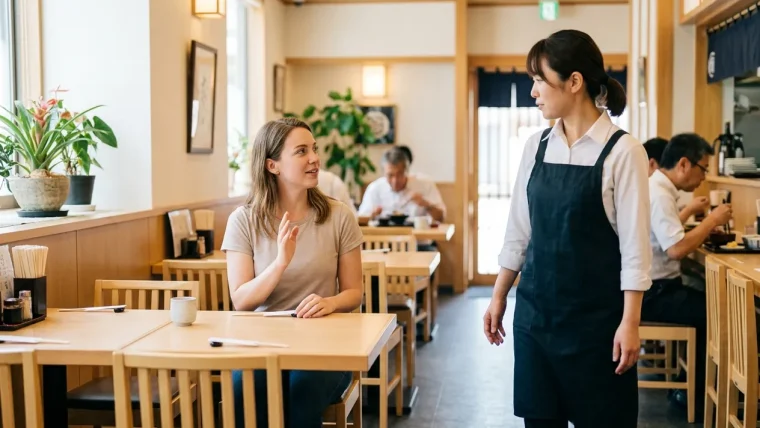
Sumimasen calls a waiter, apologizes, thanks, squeezes past, opens a question and softens a request. Which job the tone and the situation assign.

Japan Know How archive
Japanese Phrases
Sumimasen calls a waiter, apologizes, thanks, squeezes past, opens a question and softens a request. Which job the tone and the situation assign.
Japanese Food
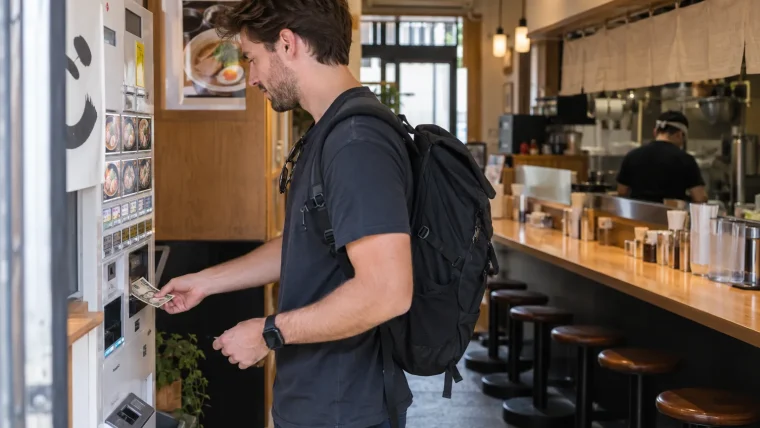
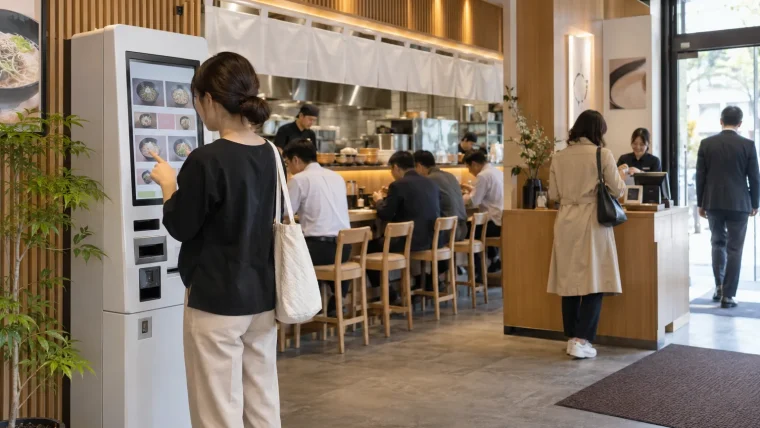
Buy the ticket, hand it over, sit and wait. Where the topping buttons hide, what kaedama costs, and why the machine wants cash far more often than cards.
Japanese Beauty
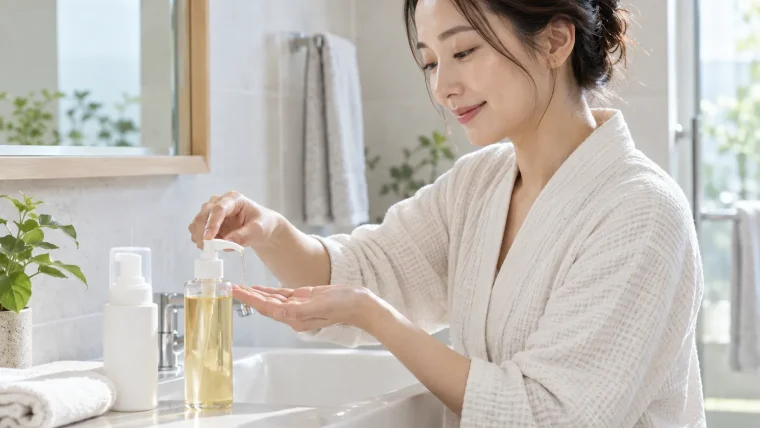
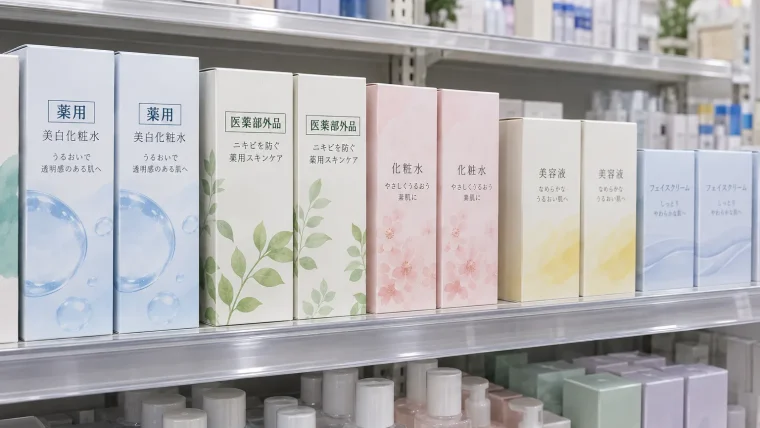
The habit began with makeup that water would not move, and modern sunscreen kept it alive. When the second cleanse is pointless, and when it is not.
Japanese Food
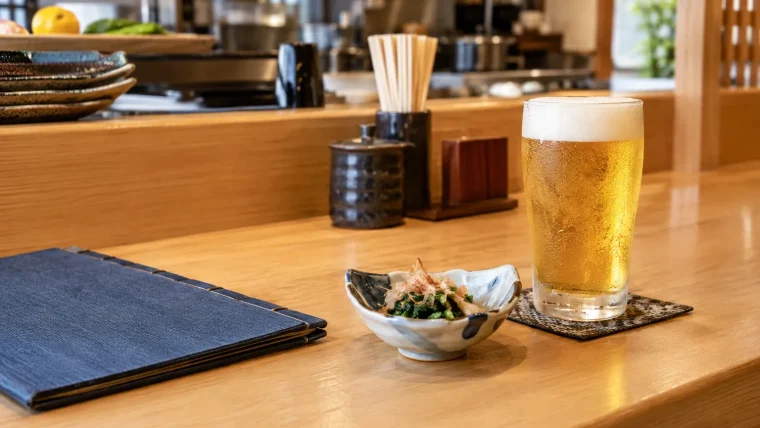
Otoshi is a seat charge served as food, usually 300 to 500 yen a head. Why it is not a scam, how nomihodai timing works, and ordering in rounds.
Japanese Phrases
Arigatou comes from arigatashi, hard to exist. Japanese thanks marks a rare favor, which is why the polite forms feel formal to English speakers.
Japanese Beauty
Both build routines, but Japan regulates active ingredients as quasi-drugs and sells texture over novelty. Where the two differ, and where marketing lies.
Japanese Food
Ticket machines, seat charges, no tipping, and paying at the register instead of the table. The systems behind a Japanese meal, venue by venue.
Japanese Phrases
Japanese politeness runs on apology, hedging, timing and silence long before it reaches honorific verbs. Seven habits that work with plain forms.
Your Name in Japanese
Vertical Japanese is not horizontal text turned sideways. The long-vowel bar rotates, small kana change corner, and columns run right to left. Here is what actually changes.
Anime & Manga
Ore, boku, watashi and half a dozen more all become 'I'. The pronoun a character picks is characterisation, and English has no slot for it.