Japanese Culture
Two Bows, Two Claps, One Bow: The Sequence
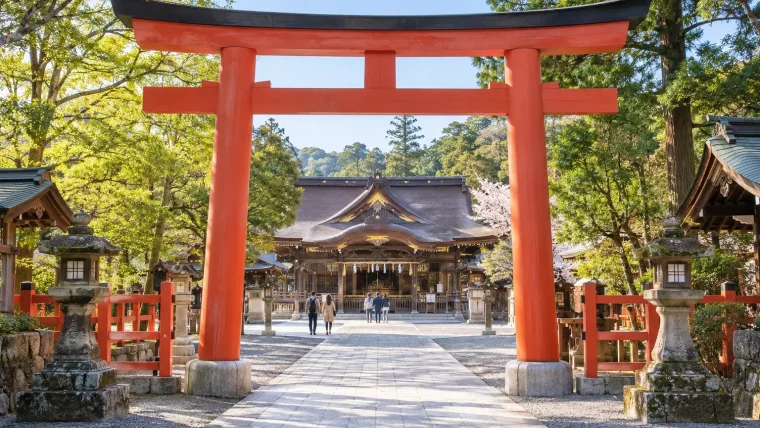
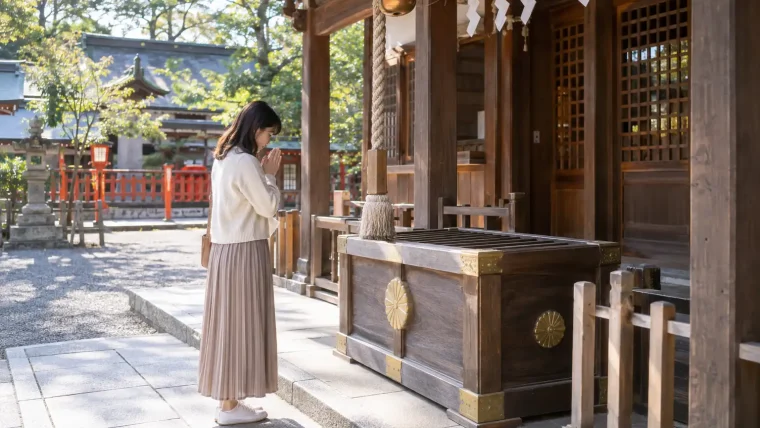
Learn how to pray at a Shinto shrine in Japan in the correct order, from the torii and water basin to the offering, two bows, two claps, and final bow.

Japan Know How archive
Etiquette, festivals, seasons, superstitions and the small rules nobody writes down: how to hold chopsticks, when to bow, why gift wrapping is a whole grammar of its own. Context for the questions that start with a tool and end with wanting to know why.
Japanese Culture
Learn how to pray at a Shinto shrine in Japan in the correct order, from the torii and water basin to the offering, two bows, two claps, and final bow.
Japanese Culture
Torii gates and komainu point toward Shinto; sanmon gates, incense burners, Buddhist images, and cemeteries point toward a temple. Here is a fast test that still works when the two traditions share one site.
Japanese Culture
Shinto and Buddhism often appear in Japan as calendar customs rather than declarations of faith. Here is how shrines, temples, New Year visits, funerals, charms, and everyday rituals fit together.
Japanese Culture
Three, five and seven get a shrine visit; twenty gets a city hall ceremony; forty-two is the year men are told to be careful. What each age ritual involves.
Japanese Culture
The color front starts in Hokkaido in September and reaches Kyoto in late November. How to read a koyo forecast and which temples charge for night viewing.
Japanese Culture
Sixteen national holidays, three weeks when the country stops, and a festival nearly every month. What each one is, when prices jump, and what closes.
Japanese Culture
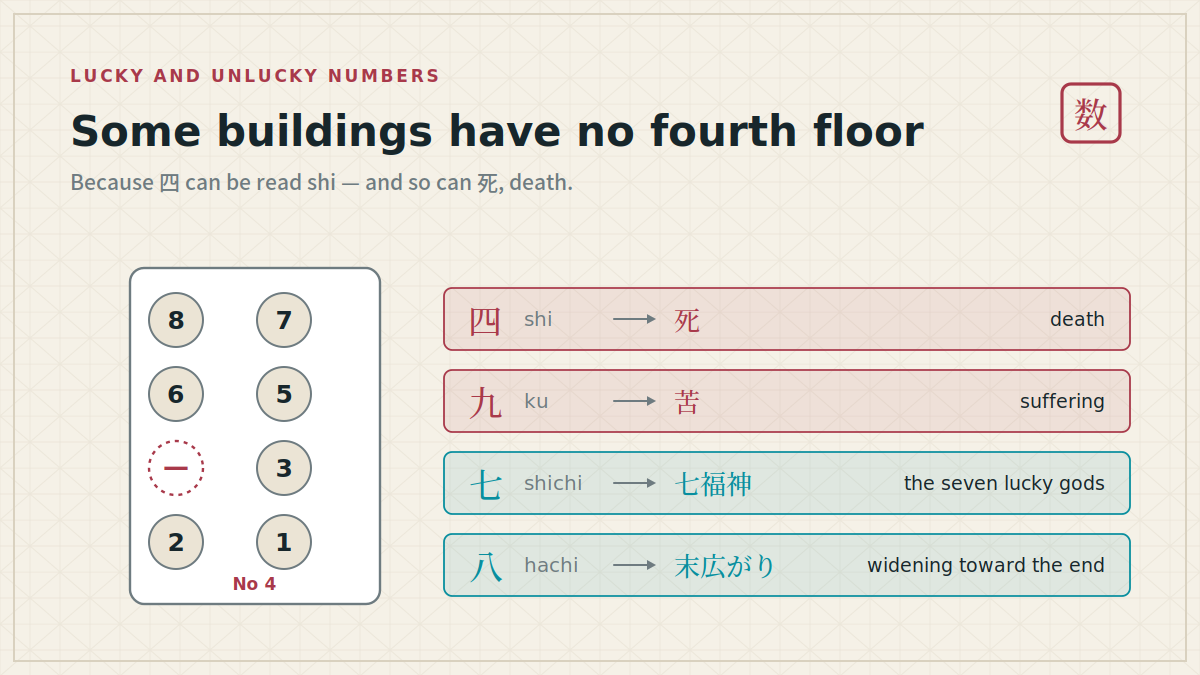
Four sounds like death and nine like suffering, so Japanese quietly says yon and kyu instead. Eight is lucky for the opposite kind of reason - the shape of the character.
Japanese Culture
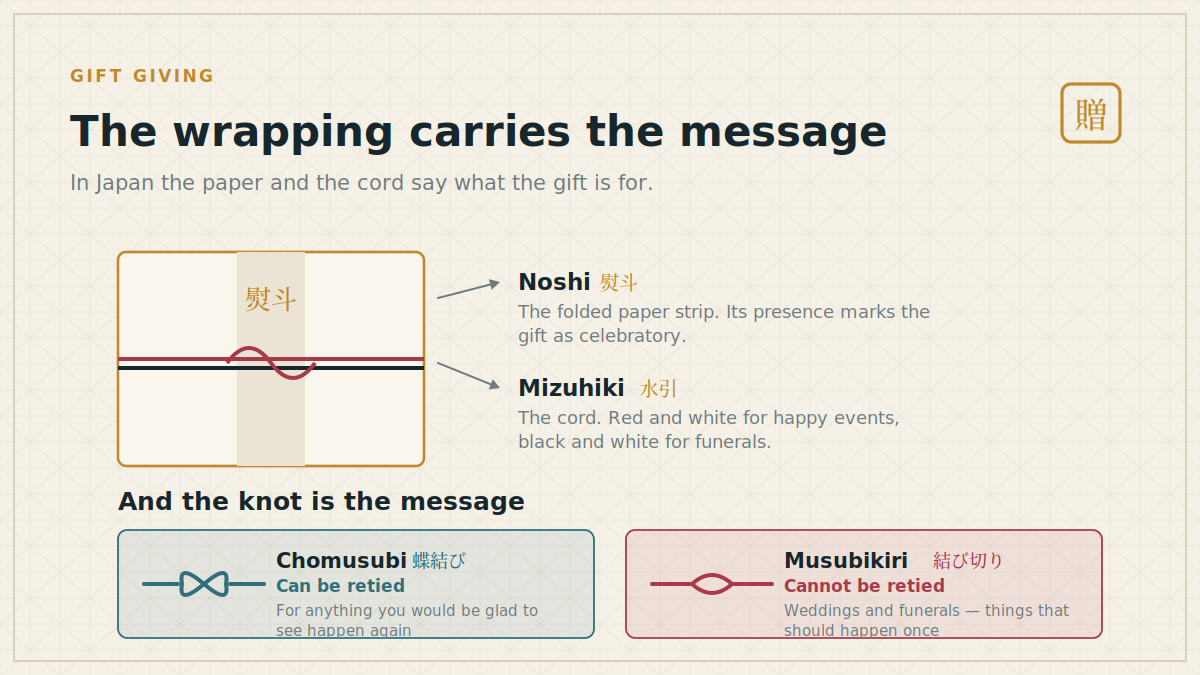
Omiyage, temiyage, ochugen, oseibo, and two kinds of envelope that mean opposite things. New notes for a wedding, old notes for a funeral - and why the knot decides.
Japanese Culture
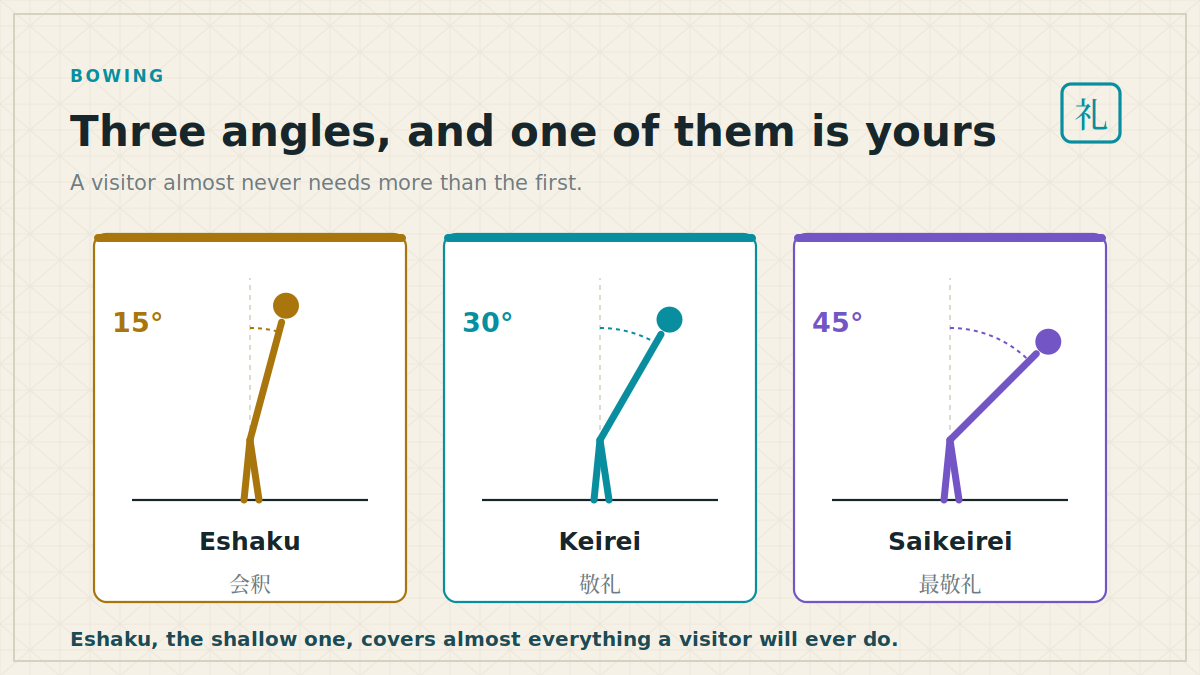
Eshaku, keirei and saikeirei - fifteen, thirty and forty-five degrees. A visitor spends almost the whole trip inside the first one, and here is when that stops being true.
Japanese Culture
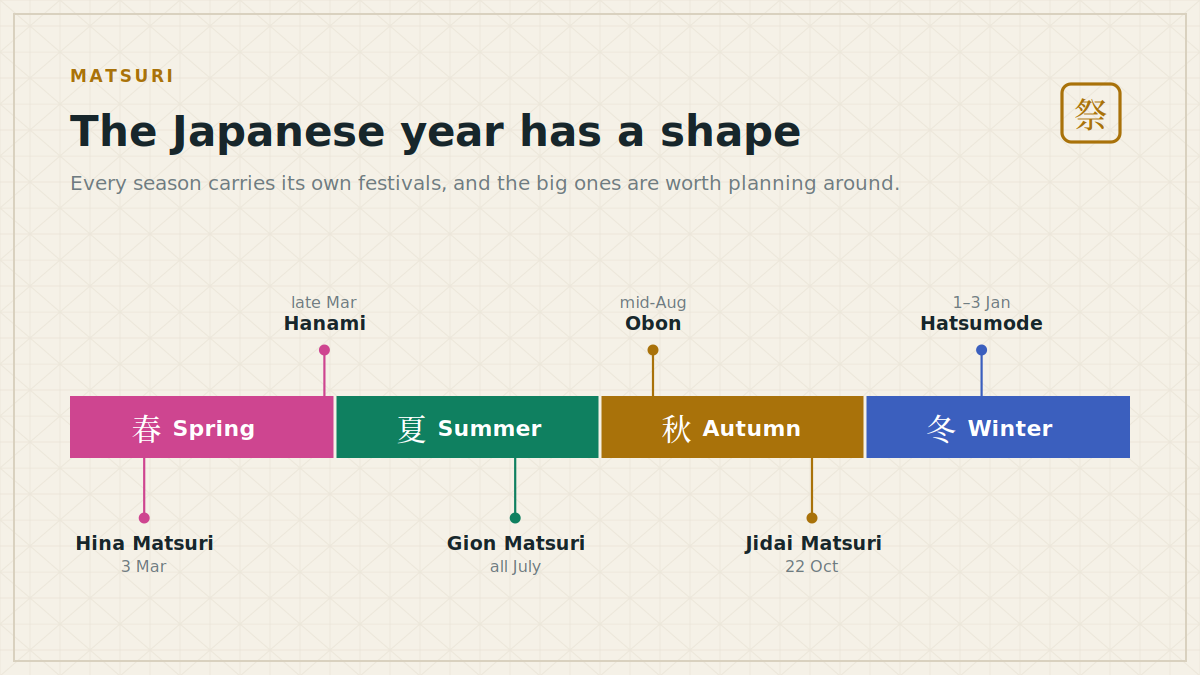
Hanami in spring, Gion and Obon in summer, autumn leaves and Jidai Matsuri, then New Year. The festival year laid out, with the two weeks when everyone is travelling at once.