Japanese Crafts
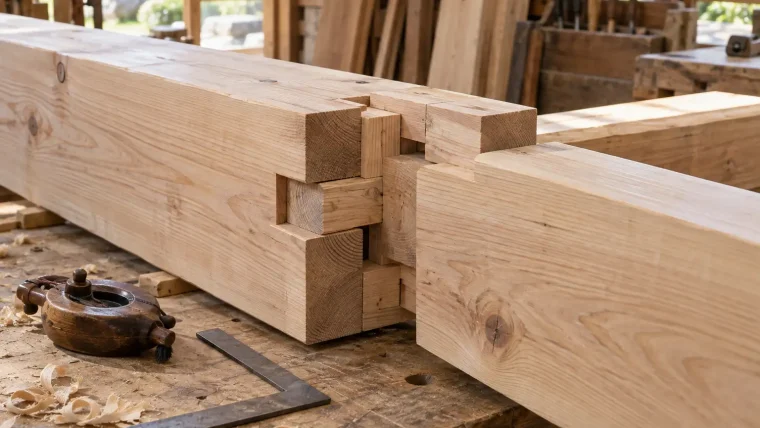
Joints That Hold a Temple Together
Japanese joinery is not wood held together by magic. See how carpenters mark, cut and test structural joints—and why “without nails” needs qualification.

Japan Know How archive
Wrapping cloth, folded paper, gold-repaired pottery and stitched indigo: crafts explained by what they are for and how they are made, with the regions and workshops that still make them. Enough detail to try one, and enough honesty about which ones take years.
Japanese Crafts
Japanese joinery is not wood held together by magic. See how carpenters mark, cut and test structural joints—and why “without nails” needs qualification.
Japanese Crafts
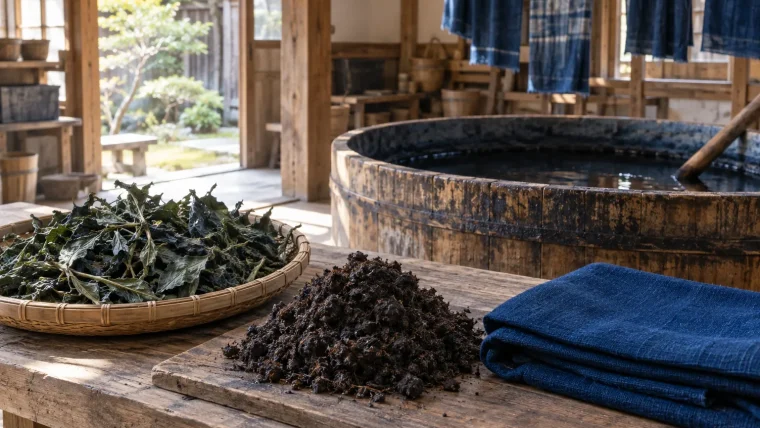
Aizome does not begin with cloth entering blue liquid. In Tokushima, harvested indigo leaves are dried, composted for about one hundred days and turned into sukumo before a fermentation vat can make their pigment usable. The process explains both the depth of the craft and why synthetic indigo transformed its market.
Japanese Crafts
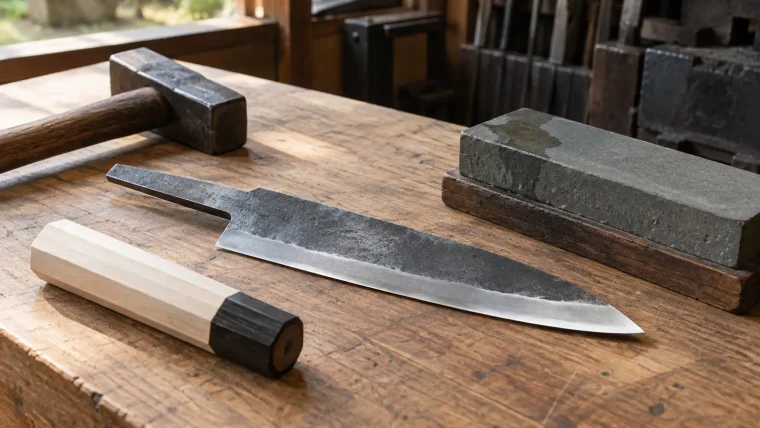
In Sakai the smith, the sharpener and the handle maker are different businesses. Forge-welded steel, single bevels, and what rust says about the steel.
Japanese Crafts
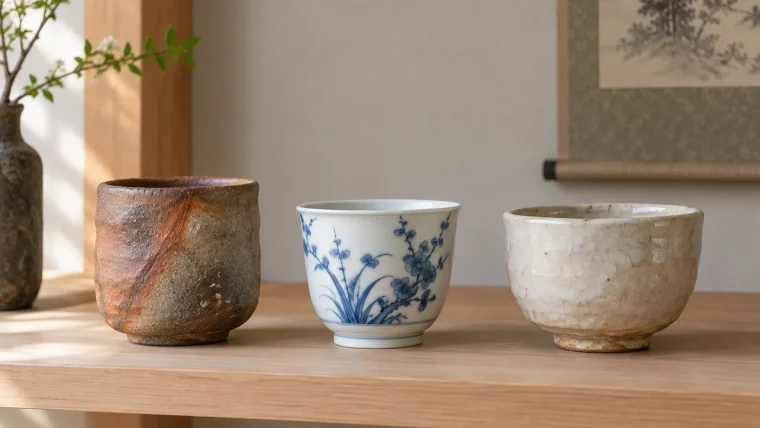
Six ancient kilns, one porcelain town, and a glaze that changes color with use. Which region makes what, and how to tell them apart on a shelf.
Japanese Crafts
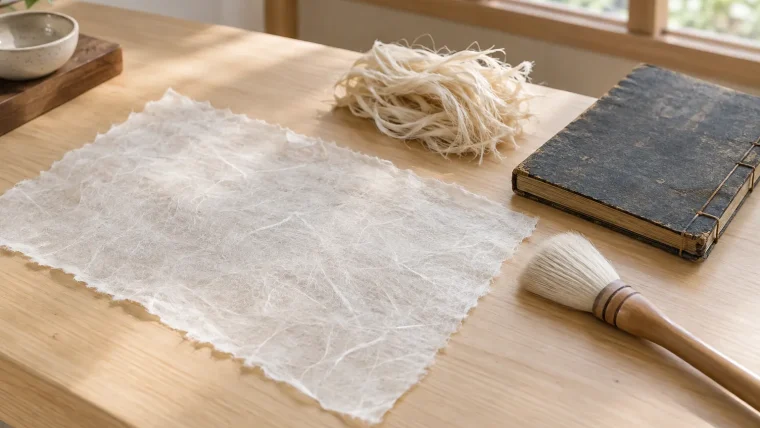
Washi is made from bark fiber, not wood pulp, which is why conservators patch old books with it. Three papers hold UNESCO status; here is what differs.
Japanese Crafts
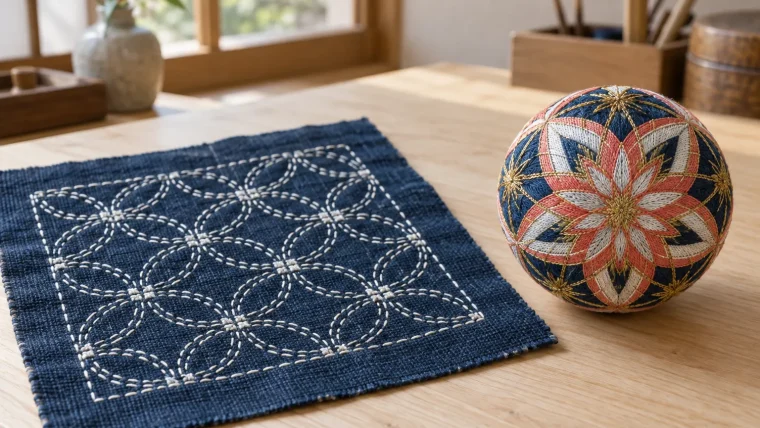
Cotton was scarce in the north, so cloth was stitched back together and thread scraps became balls. The regional styles, the grid logic, and what boro was.
Japanese Crafts
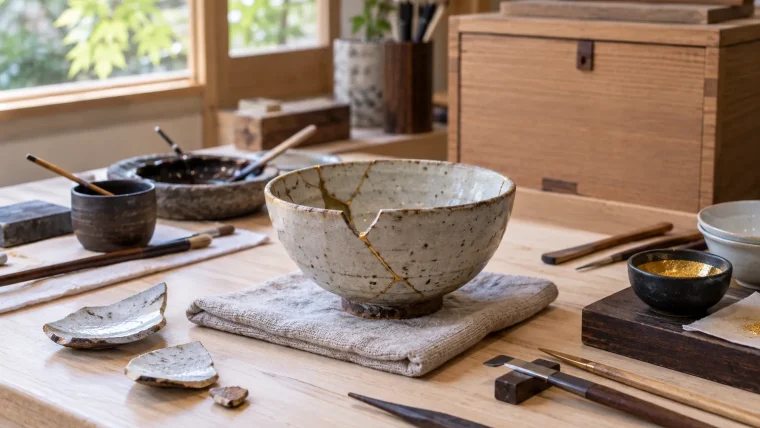
Real kintsugi is urushi lacquer that hardens in humidity over weeks, not glue with gold paint. What the kits skip, and when the bowl stops being food-safe.
Japanese Crafts
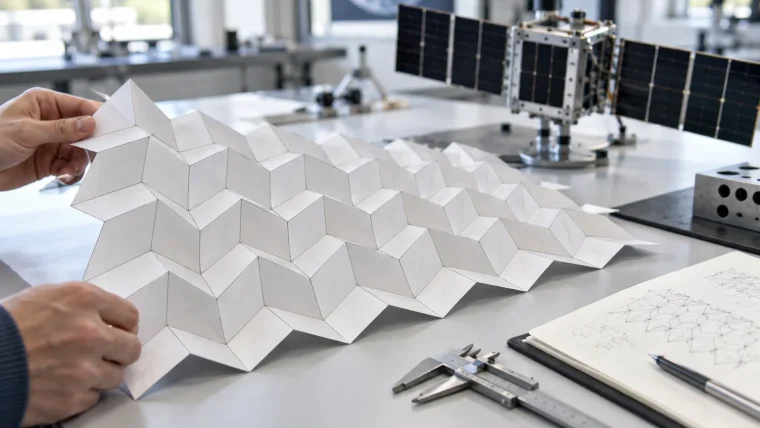
The crane is one model out of thousands. Where the standard folding notation came from, and how a fold designed in Japan opened a satellite solar array.
Japanese Crafts
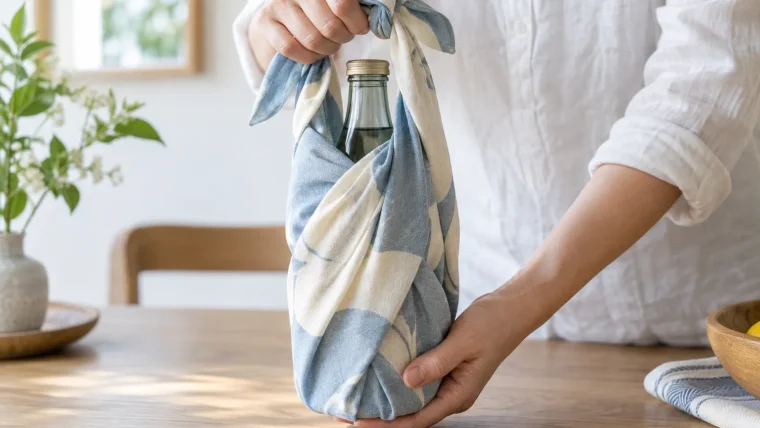
Two knots do most of the work. Which cloth size to buy, how to wrap a box, a bottle and a watermelon, and why the plastic bag fee revived the habit.
Japanese Crafts
Japan certifies crafts by law: mostly handmade, a century-old technique, one named region. What the seal means, and why the real piece costs what it does.