Skip to content

Japan Know How archive

Japanese Home

How a Japanese home is actually put together, from the step at the entrance where shoes come off to the room measured in tatami mats. Futons, kotatsu, the bath taken after washing rather than instead of it, and what a rental listing means by 1LDK and key money.

Japanese Home

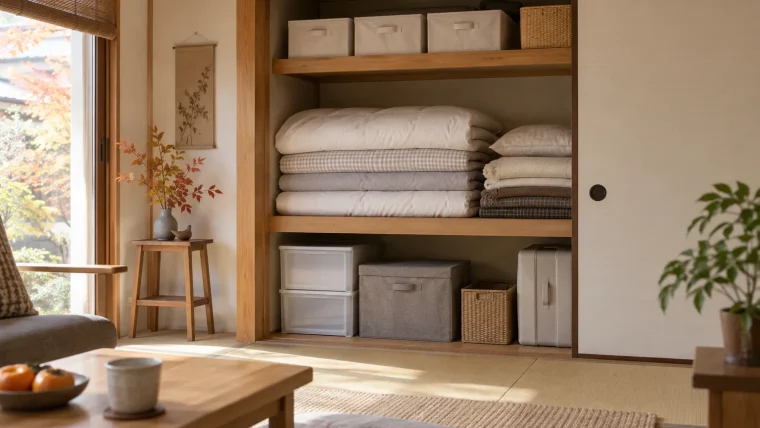
Where a Family Puts Things With No Basement

Japanese homes without basements rely on deep oshiire closets, seasonal rotation, overhead spaces, and rented trunk rooms. Here is how the system works through the year—and what it costs when the apartment finally runs out of room.
Kaori Miyata

Japanese Home

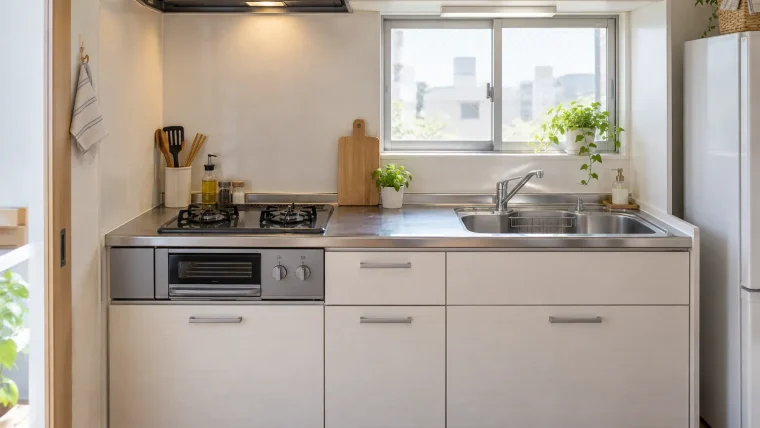
Two Burners, a Fish Grill and No Oven

A standard apartment kitchen is a meter of counter, two gas burners and a broiler drawer. What that does to recipes, and what Japanese cooks use instead.

Kaori Miyata

Japanese Home

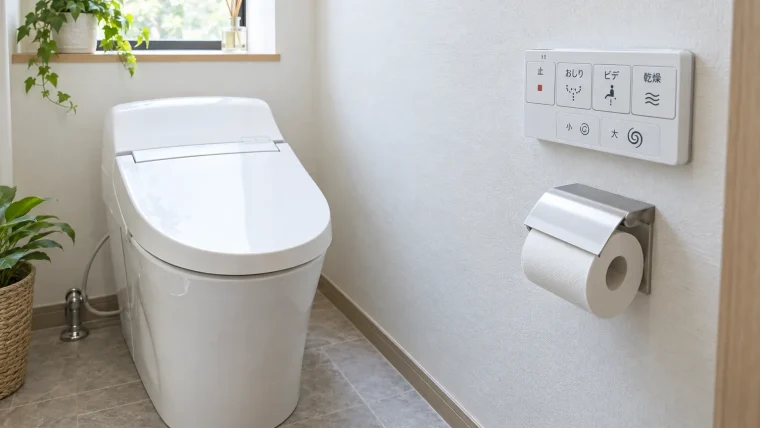
What Every Symbol on the Panel Does

Japanese toilet panels became easier to read after manufacturers introduced shared pictograms in 2017. Here is what the rear-wash, bidet, dryer, stop, flush, and Otohime controls do — and which button to press first if something goes wrong.

Kaori Miyata

Japanese Home

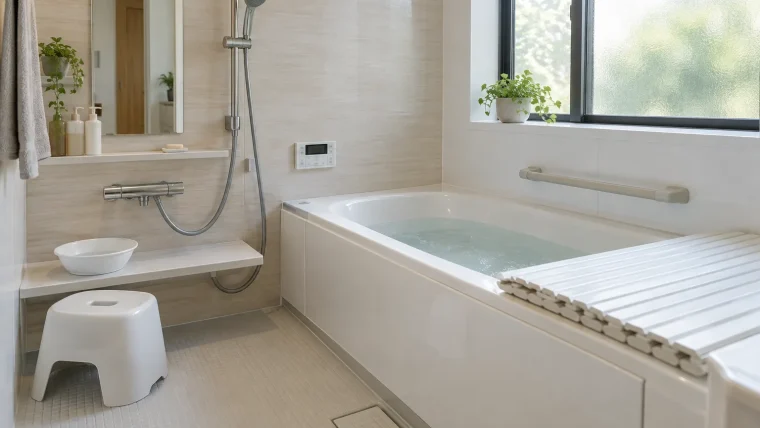
Everyone Uses the Same Water, in Order

A Japanese bath is organized around a clear sequence: wash outside the tub, soak in clean hot water, reheat it when necessary, and sometimes reuse the remaining water for laundry. These Japanese terms explain the controls, equipment, and household habits you will encounter.

Kaori Miyata

Japanese Home

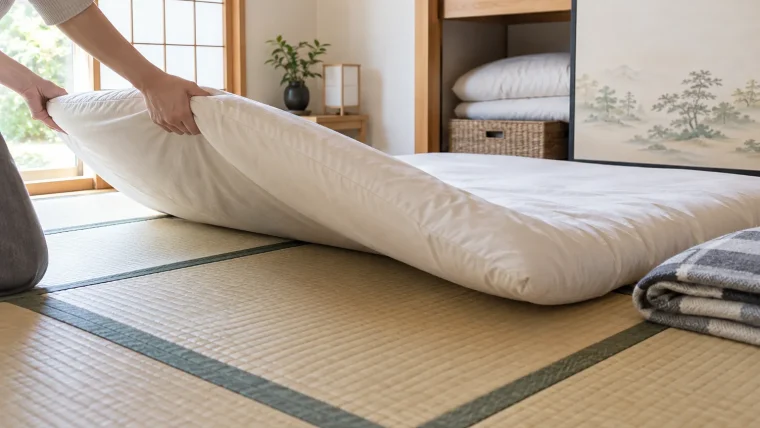
Humidity, Not Tidiness, Runs This Habit

Putting a Japanese futon away is not mainly about keeping the room tidy. The routine lets trapped moisture escape before it damages the bedding, tatami, or flooring underneath.

Kaori Miyata

Japanese Home

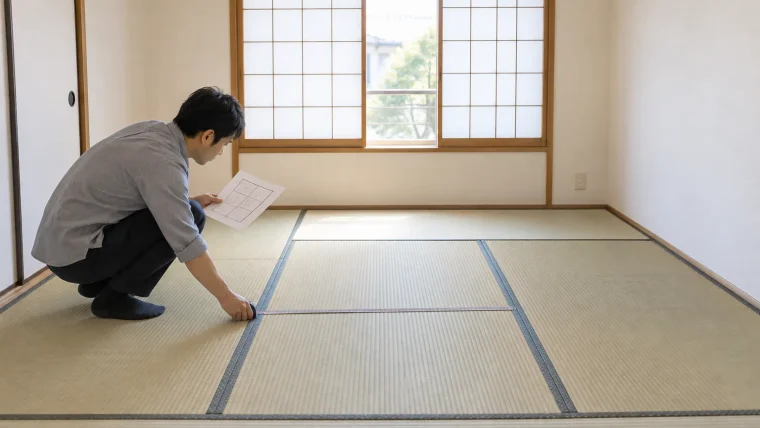
How Many Mats Is the Room You Are Renting

A Japanese room is measured in mats, and mats differ by region. What one jo equals in square feet, and which mat layout is used only at funerals.

Kaori Miyata

Japanese Home

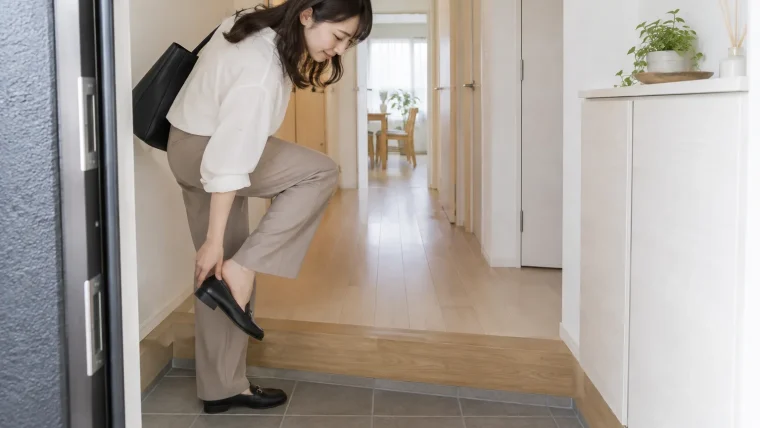
Why the Floor Steps Up Inside the Door

A genkan is more than a place to remove shoes. Its lowered floor and raised sill create a physical boundary between the street and the home, shaping how residents enter, receive guests, and deal with deliveries.

Kaori Miyata

Japanese Home

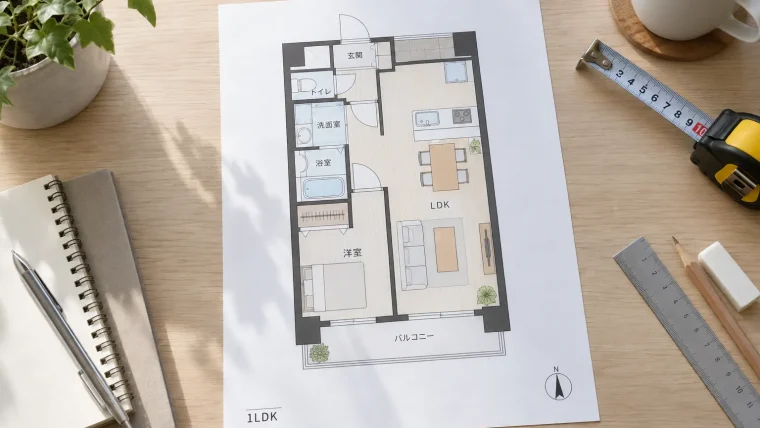
Reading 1LDK, Jo and the Move-In Bill

1LDK, twenty-five square meters, and a move-in bill of several months' rent. How Japanese listings describe a home, and what the shorthand hides.

Kaori Miyata