Japanese Beauty
Thicker Strands, Softer Water, Other Products
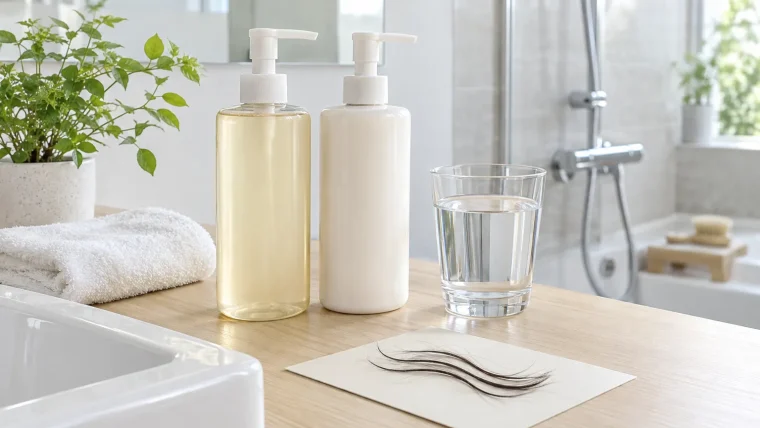
Japanese hair is thicker in cross-section and Japanese tap water is soft, so an imported shampoo behaves differently at home. What that actually changes.

Japan Know How archive
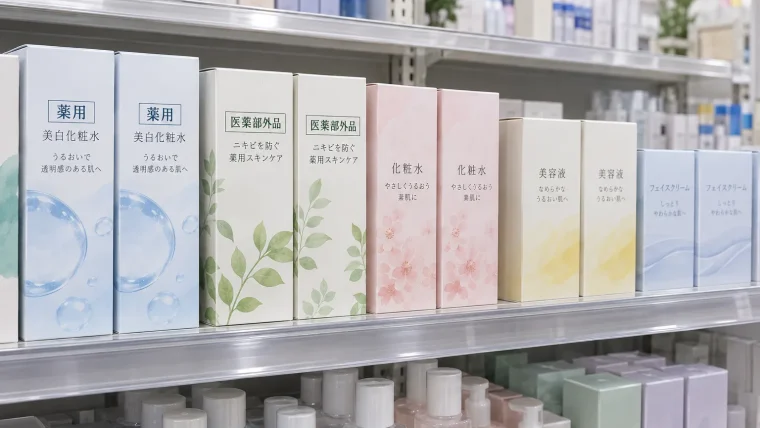
Japanese skincare described the way it is sold and used in Japan, where sunscreen is a quasi-drug with a different approved filter list than the United States. What the routines are, what the labels mean, and where a claim is tradition rather than evidence.
Japanese Beauty
Japanese hair is thicker in cross-section and Japanese tap water is soft, so an imported shampoo behaves differently at home. What that actually changes.
Japanese Beauty
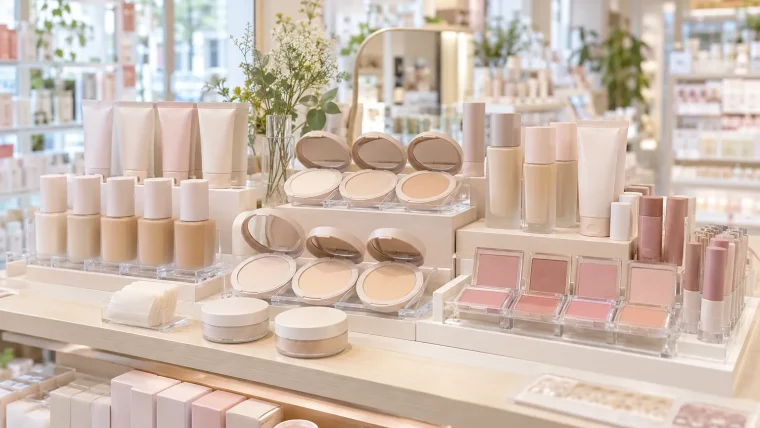
Japanese makeup often creates its effect through texture, light, and carefully placed color rather than heavy contour. Compare a restrained base, Igari blush, and mizu-tsuya shine—including what each finish costs at Japanese drugstores.
Japanese Beauty
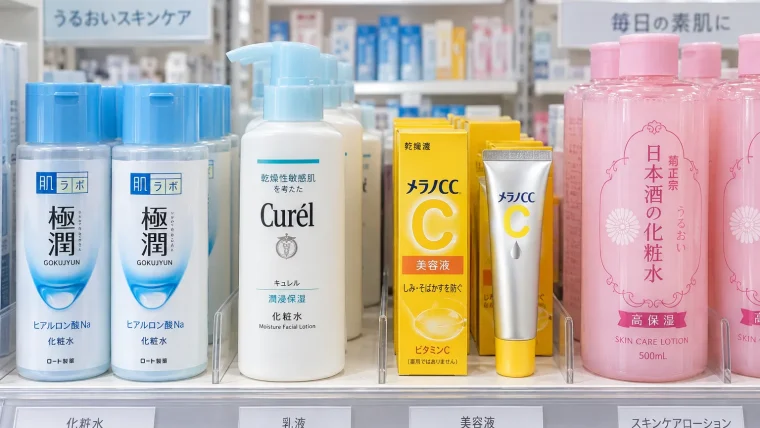
Hada Labo, Curel, Melano CC and a lotion made from sake. What each brand is for, what it costs in yen, and which ones ship to the US unchanged.
Japanese Beauty
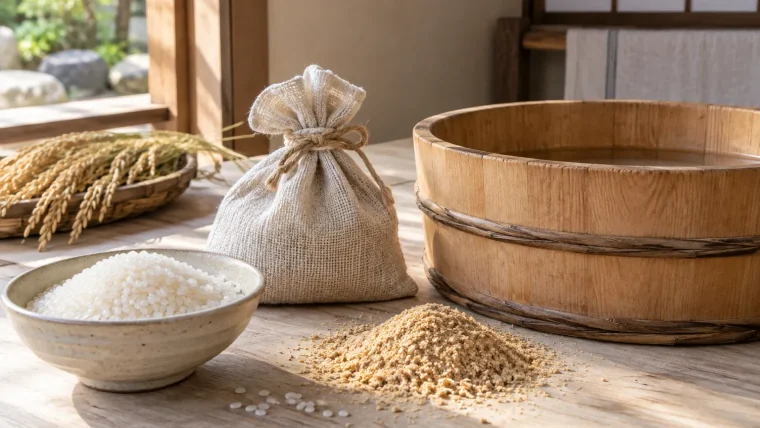
Edo bathers scrubbed with a bag of rice bran, and modern brands built a legend on brewery workers' hands. What studies show, and what stays folklore.
Japanese Beauty
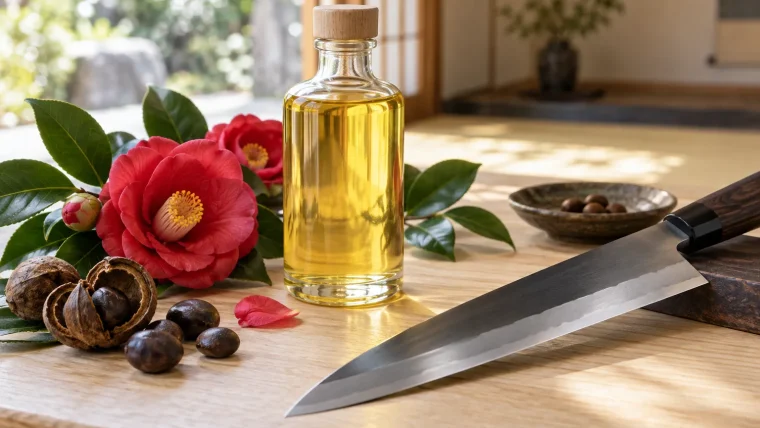
Tsubaki oil is mostly oleic acid, pressed from camellia seeds on southern islands. What it is used for, what it will not do, and how fast it goes rancid.
Japanese Beauty
Japan clears UV filters the US has not approved since the 1990s, and rates UVA with PA plus signs. What that changes on skin, and the import caveat.
Japanese Beauty
The habit began with makeup that water would not move, and modern sunscreen kept it alive. When the second cleanse is pointless, and when it is not.
Japanese Beauty
Both build routines, but Japan regulates active ingredients as quasi-drugs and sells texture over novelty. Where the two differ, and where marketing lies.